

In Mastering Image Search Techniques digital world, images are everywhere. From blog posts and e-commerce listings to research papers and social media, visuals play a critical role in communication. But finding the right image is not always as simple as typing a few words into a search engine. That’s where effective image search techniques come into play.
Whether you are a content creator, marketer, student, designer, or researcher, knowing how to search for images properly can save you time, improve the quality of your work, and even protect you from copyright issues. In this guide, I’ll walk you through essential and advanced image search techniques in a practical, expert yet easy-to-follow way.
Let’s dive in.
Understanding the Fundamentals of Image Search Techniques
Before moving into advanced tactics, it’s Mastering Image Search Techniques to understand how image search actually works. Search engines use complex algorithms to analyze image file names, alt text, surrounding content, metadata, and even visual patterns to index and rank images. When you type a query, the engine matches your keywords with these data points to show relevant results.
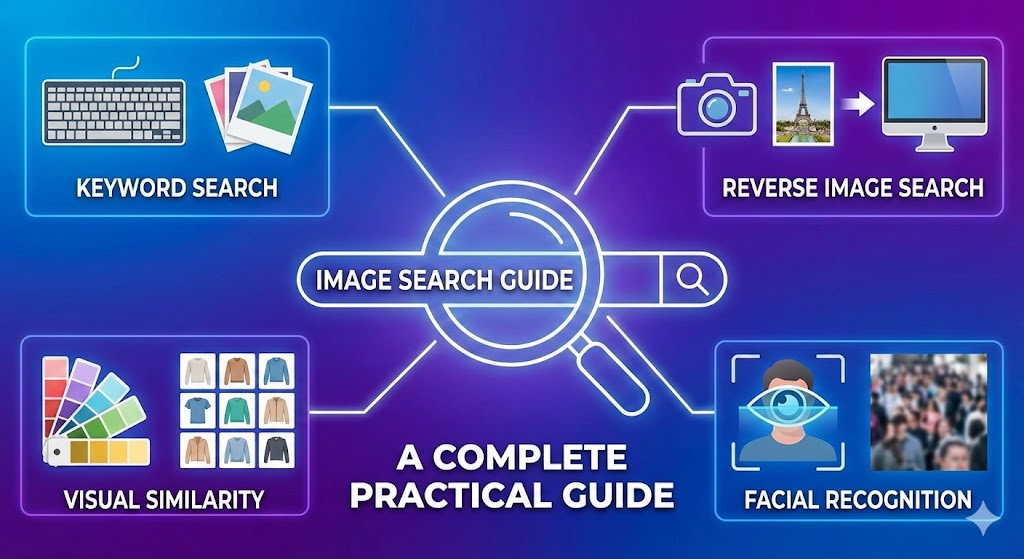
One of the most basic yet powerful image search techniques is using specific keywords. Instead of searching for “dog,” try something like “golden retriever puppy playing in snow.” The more descriptive your query, the more accurate your results will be. Think in terms of attributes such as color, size, environment, mood, and action.
Another key concept is understanding that search engines interpret intent. For example, searching “Apple” could show fruit or the tech company, depending on context. Mastering Image Search Techniques clarifying terms like “Apple logo PNG” or “Apple fruit high resolution” helps narrow down the results significantly. Precision is the foundation of effective image searching.
Using Advanced Search Filters for Better Results
Many users ignore advanced filters, Mastering Image Search Techniques they are among the most effective image search techniques available. Search engines offer tools that allow you to filter by size, color, usage rights, file type, and time of upload. These filters can dramatically refine your results.
For example, if you need an image for a website banner, you can filter by “Large” size to ensure high resolution. If you are creating a transparent design, searching specifically for “PNG” and selecting transparent images can save hours of editing time. File type filtering is especially useful for designers and developers.
Usage rights filtering is equally important. If you are using images for commercial purposes, always select images labeled for reuse or commercial use. This simple step helps you avoid copyright violations and legal complications. Professional content creators never overlook licensing filters when applying image search techniques.
Reverse Image Search: Finding the Source and Similar Images
Reverse image search is one of the most Mastering Image Search Techniques and underutilized image search techniques. Instead of typing text, you upload an image or paste its URL into a search engine. The system then analyzes visual patterns and finds similar or identical images across the web.
This technique is extremely useful for verifying authenticity. If you see a viral image online and want to check its original source, reverse search can reveal where it first appeared. It can also help detect misinformation or edited images circulating on social media.
Additionally, reverse image search is Mastering Image Search Techniques for discovering higher-resolution versions of an image. If you have a low-quality copy, uploading it may lead you to the original high-resolution version. Designers and researchers frequently use this method to trace image origins and find better alternatives.
Leveraging Visual Search and AI-Based Tools
Modern search engines now integrate artificial Mastering Image Search Techniques into image search techniques. Visual search tools allow users to click on specific parts of an image to explore related items. For example, you can select a piece of furniture in a photo and find similar products available online.
AI-powered tools analyze shapes, colors, patterns, and objects within an image. This goes beyond simple keyword matching. Even if you do not know the name of an object, visual search can identify it. This is especially useful in fashion, interior design, and product discovery.
Some tools also allow text-to-image Mastering Image Search Techniques . You can refine searches by combining visual input with descriptive keywords. For instance, you might upload a picture of a modern kitchen and then add “with marble countertop” to narrow the results. These advanced image search techniques are transforming how professionals find visual inspiration.
Optimizing Keyword Strategy for Precise Image Results
An expert approach to image search Mastering Image Search Techniques strategic keyword structuring. Instead of typing a single phrase, try experimenting with variations. For example, if “modern office interior” does not give ideal results, try “minimalist corporate office workspace natural lighting.”
Use quotation marks to search for exact phrases. Searching “black and white portrait photography” ensures results match that exact phrase instead of scattered keyword combinations. This is particularly useful for academic or niche searches.
You can also use minus signs to exclude unwanted terms. For example, “jaguar -car” will focus more on the animal rather than the vehicle brand. These small adjustments significantly enhance your image search techniques and lead to faster, more accurate results.
Searching by Context and Metadata
Images do not exist in isolation. TheyMastering Image Search Techniques are usually embedded within articles, blogs, or product pages. One advanced image search technique involves analyzing the context in which images appear. Sometimes searching within a specific website using “site:example.com keyword” can produce highly targeted results.
Metadata also plays an important role. Image files may contain information about the camera used, location, date, and creator. Although not always visible directly in search engines, specialized tools can extract this information. Photographers and journalists often rely on metadata analysis to verify authenticity.
Context-based searching is particularly helpful for research. If you are looking for images related to a specific study or event, narrowing your search to trusted domains such as educational or government websites can improve reliability and credibility.
Finding High-Quality and Authentic Images
Not all images on the internet are Mastering Image Search Techniques equal. Blurry, compressed, or overly edited visuals can damage the professionalism of your work. One essential image search technique is evaluating image resolution before downloading. Always check dimensions and clarity.
Look for images with natural lighting, balanced composition, and minimal distortion. For commercial projects, authenticity matters. Overused stock photos can feel generic. Try searching with more specific scenarios or emotional cues like “real small business owner working at desk candid shot.”
Another effective method is exploring multiple sources. Do not rely on one search engine alone. Different platforms index different collections of images. Broadening your search approach increases your chances of finding unique and high-quality visuals.
Ethical and Legal Considerations in Image Searching
Using effective image search Mastering Image Search Techniques also means respecting intellectual property rights. Just because an image appears in search results does not mean it is free to use. Always verify licensing information before downloading.
Creative Commons licenses often specify whether an image can be modified, used commercially, or requires attribution. Reading these terms carefully protects you from legal risks. Professionals treat copyright compliance as seriously as the search process itself.
Additionally, avoid manipulating images in misleading ways. Ethical use includes giving proper credit and not misrepresenting visual information. Responsible searching and usage build credibility and trust in your work.
Practical Workflow for Efficient Image Searching
Developing a Mastering Image Search Techniques can make image search techniques more efficient. Start by defining your purpose. Are you searching for inspiration, commercial use, academic research, or social media content? Your goal determines your strategy.
Next, refine your keywords and apply filters immediately. Do not scroll endlessly through generic results. Instead, adjust search terms and filters until you narrow down relevant options. This approach saves significant time.
Finally, verify licensing and image quality Mastering Image Search Techniques downloading. Keep organized folders and label files clearly for future reference. A systematic workflow ensures that your image search process remains productive and professional.
Conclusion: Becoming Skilled in Image Search Techniques
Mastering image search techniques is more than just typing words into a search bar. It requires strategy, precision, and awareness of tools available. From using advanced filters and reverse image search to leveraging AI-based visual tools and understanding licensing, each method enhances your ability to find exactly what you need.
When applied correctly, these techniques improve the quality of your projects, protect you legally, and save valuable time. In a digital world driven by visuals, being skilled at image searching is not optional—it is essential.