
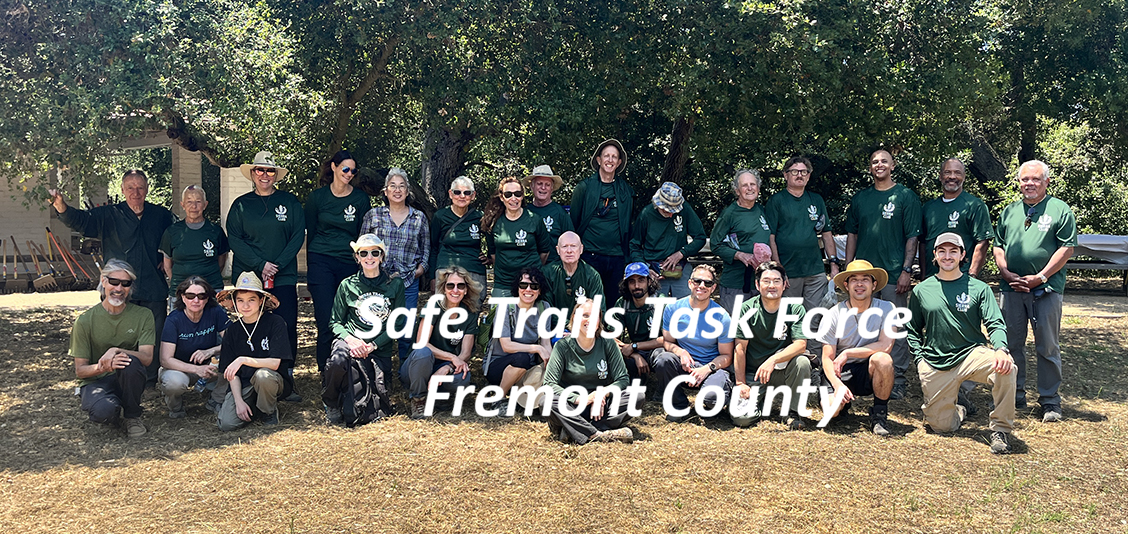
Outdoor trails are a vital part of life in Safe Trails Task Force Fremont County. From hiking and biking to horseback riding and off-road recreation, these paths connect people to nature while supporting local tourism and healthy lifestyles. However, increased trail use also brings challenges, including safety risks, environmental damage, and conflicts between users. This is where the Safe Trails Task Force Fremont County plays an essential role. The task force exists to ensure that trails remain safe, sustainable, and accessible for everyone who uses them.
The Safe Trails Task Force is not just about enforcement. It represents a coordinated effort that blends public safety, land stewardship, education, and community involvement. By bringing multiple agencies and stakeholders together, the task force helps Fremont County manage its trail systems responsibly while protecting both people and natural resources.
This article offers a detailed look at what the Safe Trails Task Force Fremont County does, why it matters, how it operates, and how the public fits into its mission. Whether you’re a frequent trail user or simply interested in land management efforts, understanding this task force provides valuable insight into how Fremont County protects its outdoor spaces.
Understanding the Purpose of the Safe Trails Task Force Fremont County
The Safe Trails Task Force Fremont County was created to address the growing complexities surrounding trail use and public land management. As more residents and visitors explore outdoor spaces, issues such as overcrowding, unauthorized trail use, environmental degradation, and safety concerns naturally increase. The task force exists to proactively manage these challenges rather than reacting after problems escalate.
At its foundation, the task force focuses on creating safer trail environments for all users. This includes hikers, mountain bikers, equestrians, and motorized recreation enthusiasts. By promoting clear guidelines and addressing unsafe behavior, the task force helps reduce accidents and conflicts that can arise when different user groups share the same space.
Beyond safety, the task force also aims to preserve Fremont County’s natural beauty. Trails pass through sensitive ecosystems that can be damaged by misuse or neglect. The Safe Trails Task Force helps ensure that recreation and conservation coexist, protecting these areas for future generations while still allowing responsible public access.
Why Trail Safety Is a Priority in Fremont County
Trail safety is about more than avoiding slips and falls. In Fremont County, trails often stretch across vast, remote landscapes where emergencies can quickly become serious. Ensuring safe access, clear signage, and responsible behavior is critical to preventing accidents that could otherwise have severe consequences.
One major concern is the mix of motorized and non-motorized trail use. Without proper management, these different activities can lead to dangerous interactions. The Safe Trails Task Force Fremont County works to identify high-risk areas and implement solutions that reduce conflict, such as designated routes, education efforts, and enforcement where necessary.
Environmental safety is another important factor. Poorly maintained trails can lead to erosion, water contamination, and wildlife disruption. These environmental hazards not only harm nature but also create unsafe conditions for users. By focusing on proper trail management, the task force supports both environmental health and human safety.
Agencies and Partners Involved in the Task Force

The strength of the Safe Trails Task Force Fremont County lies in its collaborative structure. Instead of operating as a single organization, the task force brings together multiple agencies and partners with different areas of expertise. This coordinated approach allows for more efficient problem-solving and broader coverage across trail systems.
Local law enforcement agencies play a central role in addressing safety violations, illegal activities, and emergency response. Their presence helps deter unsafe behavior while ensuring that serious issues are handled appropriately. Their involvement also provides reassurance to trail users who want to enjoy outdoor spaces safely.
Land management agencies contribute knowledge about conservation, land use planning, and environmental protection. Community groups and volunteers further strengthen the task force by offering local insight, reporting concerns, and supporting educational initiatives. Together, these partners form a unified effort dedicated to responsible trail use.
Key Responsibilities of the Safe Trails Task Force Fremont County
The Safe Trails Task Force Fremont County carries out its mission through a combination of monitoring, enforcement, and public engagement. One of its primary responsibilities is identifying safety risks on trails, whether they involve physical hazards, environmental damage, or inappropriate behavior.
Enforcement is an important but balanced component of the task force’s work. When rules are violated, action may be taken to prevent further damage or danger. However, the focus is not solely punitive. The goal is to correct behavior, encourage compliance, and promote long-term respect for trail regulations.
Education plays an equally important role. The task force provides information about trail etiquette, safety practices, and environmental responsibility. By helping users understand how their actions impact others and the land, the task force fosters a culture of awareness and shared responsibility.
How the Task Force Supports Environmental Protection
Protecting the environment is a core objective of the Safe Trails Task Force Fremont County. Trails cut through habitats that support wildlife, plant life, and natural water systems. Without proper oversight, increased foot and vehicle traffic can lead to lasting damage.
The task force monitors trail conditions to identify erosion, unauthorized trail creation, and damage caused by misuse. Addressing these issues early helps prevent small problems from turning into major environmental concerns. Maintenance efforts and usage guidelines are designed to minimize impact while maintaining accessibility.
By promoting sustainable trail use, the task force helps ensure that outdoor recreation does not come at the expense of ecological health. This approach recognizes that long-term enjoyment of trails depends on preserving the natural landscapes that make them special in the first place.
Community Involvement and Public Responsibility
The Safe Trails Task Force Fremont County relies heavily on community participation. Trail users are often the first to notice hazards, maintenance issues, or unsafe behavior. Reporting these concerns allows the task force to respond more quickly and effectively.
Public responsibility also extends to everyday trail behavior. Following posted rules, respecting designated routes, and practicing good trail etiquette all contribute to a safer experience for everyone. When users take ownership of their actions, the overall burden on enforcement and maintenance resources is reduced.
Community education initiatives help reinforce these values. By encouraging people to see themselves as stewards of public lands, the task force builds a sense of shared purpose that strengthens both safety and conservation efforts.
Challenges Faced by the Safe Trails Task Force
Despite its efforts, the Safe Trails Task Force Fremont County faces several ongoing challenges. Increased popularity of outdoor recreation means more users, more diverse activities, and greater strain on trail systems. Balancing access with preservation requires constant adjustment and planning.
Funding and resources can also be limited. Maintaining trails, monitoring activity, and conducting outreach all require time and financial support. The task force often depends on partnerships, grants, and volunteer assistance to meet these demands.
Another challenge is keeping up with changing recreation trends. New equipment, activities, and technologies can introduce unforeseen risks. Staying adaptable and responsive is essential for the task force to remain effective in an evolving outdoor landscape.
The Long-Term Vision for Safe Trails in Fremont County
Looking ahead, the Safe Trails Task Force Fremont County aims to continue strengthening collaboration between agencies and the public. Long-term planning focuses on sustainability, safety innovation, and increased education to support responsible trail use.
Improved data collection and trail monitoring may help identify problem areas before they become serious. Expanded volunteer programs and community outreach can also increase public involvement, creating a stronger network of trail stewards.
Ultimately, the task force’s vision is to ensure that Fremont County’s trails remain safe, welcoming, and well-preserved. By combining enforcement, education, and environmental care, the task force works toward a future where outdoor recreation thrives alongside conservation.
Final Thoughts
The Safe Trails Task Force Fremont County plays a vital role in protecting both people and public lands. Through collaboration, education, and proactive management, it helps ensure that trails remain safe and enjoyable for everyone. Its work reflects a broader commitment to responsible recreation and environmental stewardship.
As trail use continues to grow, the importance of the task force becomes even more clear. Safe, sustainable trails do not happen by accident — they require planning, cooperation, and shared responsibility. With continued support from the community and partner agencies, Fremont County’s trails can remain a treasured resource for generations to come.