
The Origins of the Zelda CD-i Games
When people think of The Legend of Zelda CD-i, they usually picture polished Nintendo classics filled with tight gameplay, memorable music, and groundbreaking design. But tucked away in the early 1990s is a bizarre side story that still surprises fans today: the Zelda games released on the Philips CD-i. These titles weren’t developed by Nintendo directly, and that alone makes them stand out as an unusual experiment.
The roots of the Zelda CD-igames go back to a failed partnership between Nintendo and Philips. Nintendo had originally collaborated with Philips to create a CD-ROM add-on for the Super Nintendo. When the deal collapsed, Philips was allowed to use certain Nintendo characters for games on its CD-i system. This decision opened the door for a small batch of officially licensed Zelda titles that would become infamous years later.
Unlike Nintendo-developed entries, these games were produced by third-party studios with significant creative freedom. That freedom resulted in games that felt very different from the main series. At the time, they were marketed as legitimate Zelda CD-i adventures, but the gameplay, animation, and storytelling choices would later turn them into something of a legend—though not always for the reasons the creators intended.
The Three Zelda CD-i Titles
There were three official Zelda games released for the CD-i: Link: The Faces of Evil, Zelda: The Wand of Gamelon, and Zelda’s Adventure. Each attempted to bring the world of Hyrule to the CD-i in its own way, but all three ended up sharing a reputation for being experimental and awkward compared to Nintendo’s mainline releases.
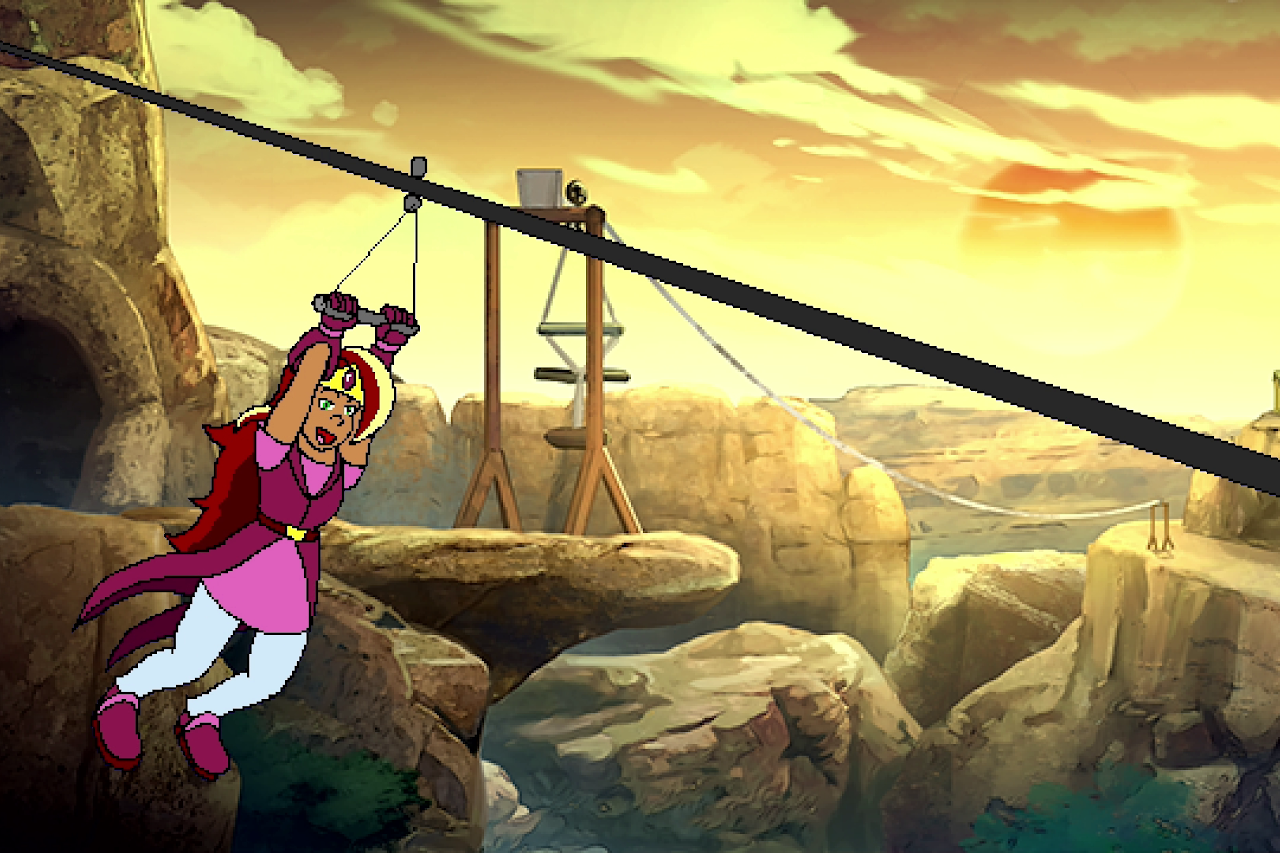
Link: The Faces of Evil and Zelda: The Wand of Gamelon were released first and developed by Animation Magic. These games used a side-scrolling format reminiscent of Zelda CD-i combined with animated cutscenes that leaned heavily into exaggerated voice acting and cartoonish visuals. One game starred Link, while the other put Zelda CD-iin the leading role—a rare move at the time.
Zelda’s Adventure, developed separately by Viridis, tried a top-down style closer to classic Zelda games. It used digitized live-action graphics, which sounded impressive on paper but resulted in visuals that felt clunky and outdated even for the era. Together, these three titles represent a fascinating snapshot of experimentation during gaming’s transition into the CD-based multimedia age.
Gameplay and Design: Ambition vs. Execution
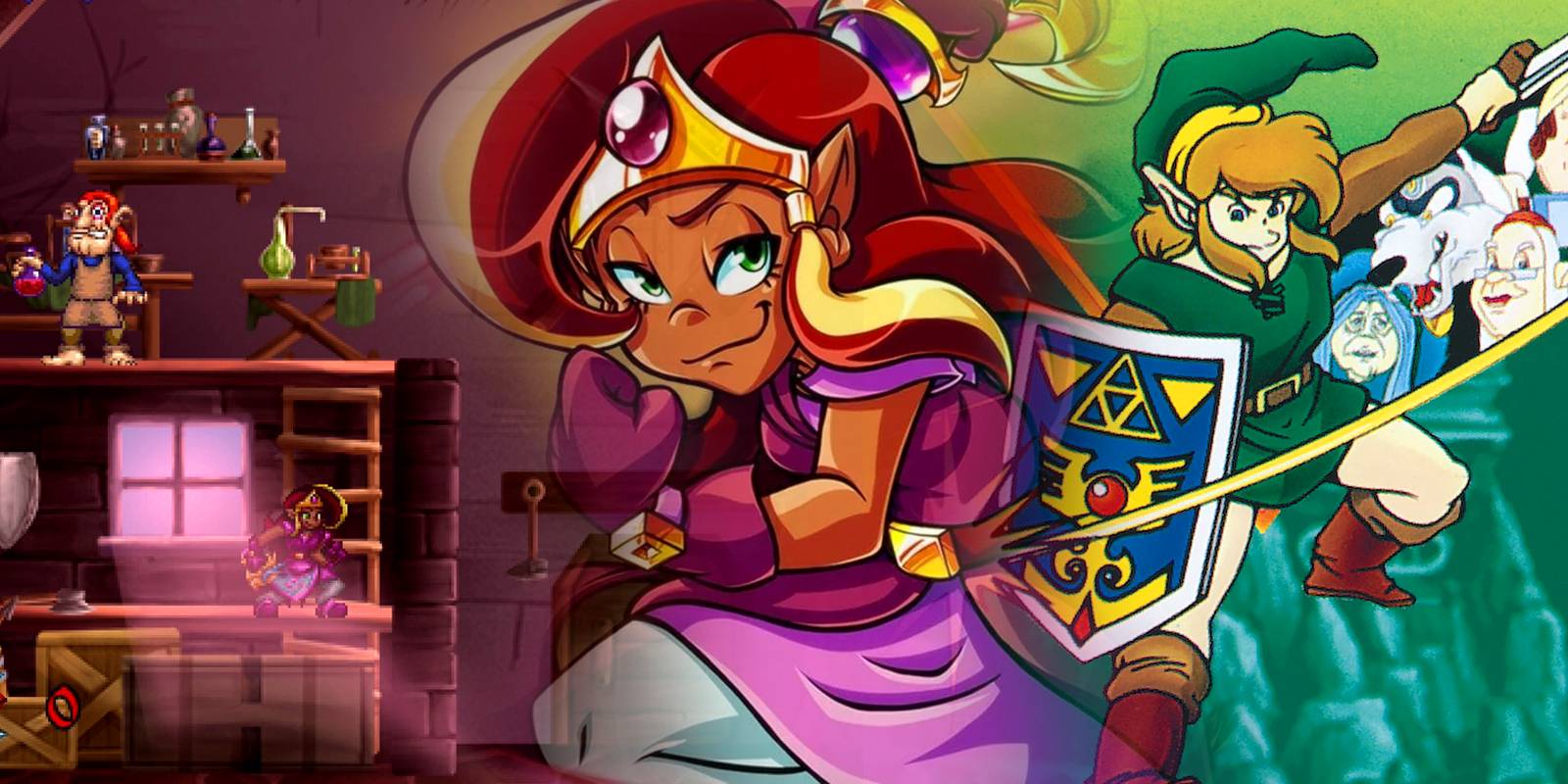
From a design perspective, the Zelda CD-i games weren’t lacking in ambition. Developers attempted to merge action gameplay, puzzle solving, and cinematic storytelling. However, the execution often struggled due to hardware limitations, unfamiliar development pipelines, and the CD-i’s awkward controller setup.
Movement and combat in the side-scrolling games could feel stiff and imprecise. Enemy placement and hit detection sometimes frustrated players, and the learning curve wasn’t always balanced. While puzzles existed, they rarely reached the clever level expected from traditional Zelda CD-i titles, which made the experience feel more like a curiosity than a polished adventure.
That said, these games weren’t entirely without merit. Some fans appreciate their creativity, unique item systems, and willingness to try new ideas. The attempt to give Zelda her own starring adventure in The Wand of Gamelon was especially notable, showing a willingness to expand the series’ narrative focus long before modern entries embraced that idea more fully.
The Infamous Cutscenes and Voice Acting
If there’s one reason the Zelda CD-i games remain widely remembered, it’s the cutscenes. Fully voiced animated sequences were still relatively novel in early-90s gaming, and these titles leaned heavily into that feature. Unfortunately, the results were… memorable in an unintended way.
The animation style looked cheap even by the standards of the time, with stiff character movement and exaggerated expressions. The voice acting, meanwhile, became legendary for its awkward delivery, strange pacing, and occasionally bizarre dialogue. Lines spoken by characters such as Link and Princess Zelda quickly spread across the internet years later as meme material.
Ironically, these cutscenes are a big part of why the games never completely faded into obscurity. Clips from them circulated widely on early video platforms and forums, introducing a new generation of fans to these strange spin-offs. Today, many people know the CD-i Zelda games not from playing them, but from watching their hilariously awkward cinematics online.
Fan Reception and Critical Legacy
At release, the CD-i Zelda games received mixed to negative reactions, though the small install base of the CD-i meant they didn’t reach a massive audience. Critics pointed out clunky controls, confusing level design, and inconsistent visuals. Compared to Nintendo’s polished console entries, these games felt like an off-brand version of a beloved franchise.
Over time, their reputation actually grew—not as hidden gems, but as fascinating oddities. Retro gaming communities began discussing them more frequently, often labeling them among the strangest licensed games ever made. Instead of disappearing, they developed a cult following fueled by curiosity and nostalgia.
Some collectors now actively seek these titles because of their rarity and historical significance. They represent a unique moment when one of gaming’s most respected franchises briefly stepped outside Nintendo’s direct control. For historians of the medium, that makes them far more interesting than their gameplay quality alone might suggest.
Why Nintendo Rarely Mentions Them
One of the most telling signs of how unusual these games are is how rarely Nintendo acknowledges them. Unlike most entries in the Zelda CD-i timeline, the CD-i titles are generally excluded from official retrospectives, anniversary collections, or franchise histories.
This distance likely stems from the fact that Nintendo didn’t develop or closely supervise the games. As the company built its reputation on quality and consistency, these spin-offs didn’t align with the brand image it wanted to maintain. Over the years, Nintendo has focused on highlighting the mainline titles that pushed the industry forward, rather than these experimental side projects.
Still, the company hasn’t erased them entirely. Because they were officially licensed, they remain a legitimate—if awkward—part of Zelda’s broader history. For dedicated fans, that makes them something like a hidden footnote: unusual, sometimes embarrassing, but undeniably real.
The Cultural Impact of the Zelda CD-i Era
Despite their flaws, the CD-i Zelda games have had a surprising cultural afterlife. Internet culture transformed them into meme icons, with screenshots, quotes, and edited animations circulating widely. What was once seen as a failed experiment gradually became a source of humor and fascination.
Content creators and gaming historians often revisit these titles when discussing strange licensing deals or the evolution of multimedia gaming. They serve as a reminder that even legendary franchises can have awkward chapters, especially during times of technological change and corporate experimentation.
More broadly, the CD-i games highlight how much the Zelda CD-i series benefits from Nintendo’s design philosophy. When compared side-by-side with mainline entries, the difference in polish, pacing, and gameplay clarity becomes obvious. In that sense, these games unintentionally reinforce why the franchise is usually handled so carefully.
Conclusion: A Weird but Unforgettable Zelda Footnote
The Zelda CD-i games remain one of the most unusual stories in video game history. Born from a failed hardware partnership and developed outside Nintendo’s core studios, they stand apart from the rest of the series in almost every way. Their gameplay may be rough, and their cutscenes unintentionally hilarious, but they’re also undeniably fascinating.
For retro enthusiasts, they offer a glimpse into an experimental era when CD-based multimedia promised to reshape gaming. For collectors, they’re rare artifacts tied to a short-lived console. And for fans of the Zelda CD-i series, they’re a reminder that even the greatest franchises sometimes take strange detours.
In the end, the Zelda CD-i titles aren’t remembered because they were masterpieces—they’re remembered because they were bold, weird, and unforgettable. And sometimes, that’s enough to earn a permanent place in gaming history.